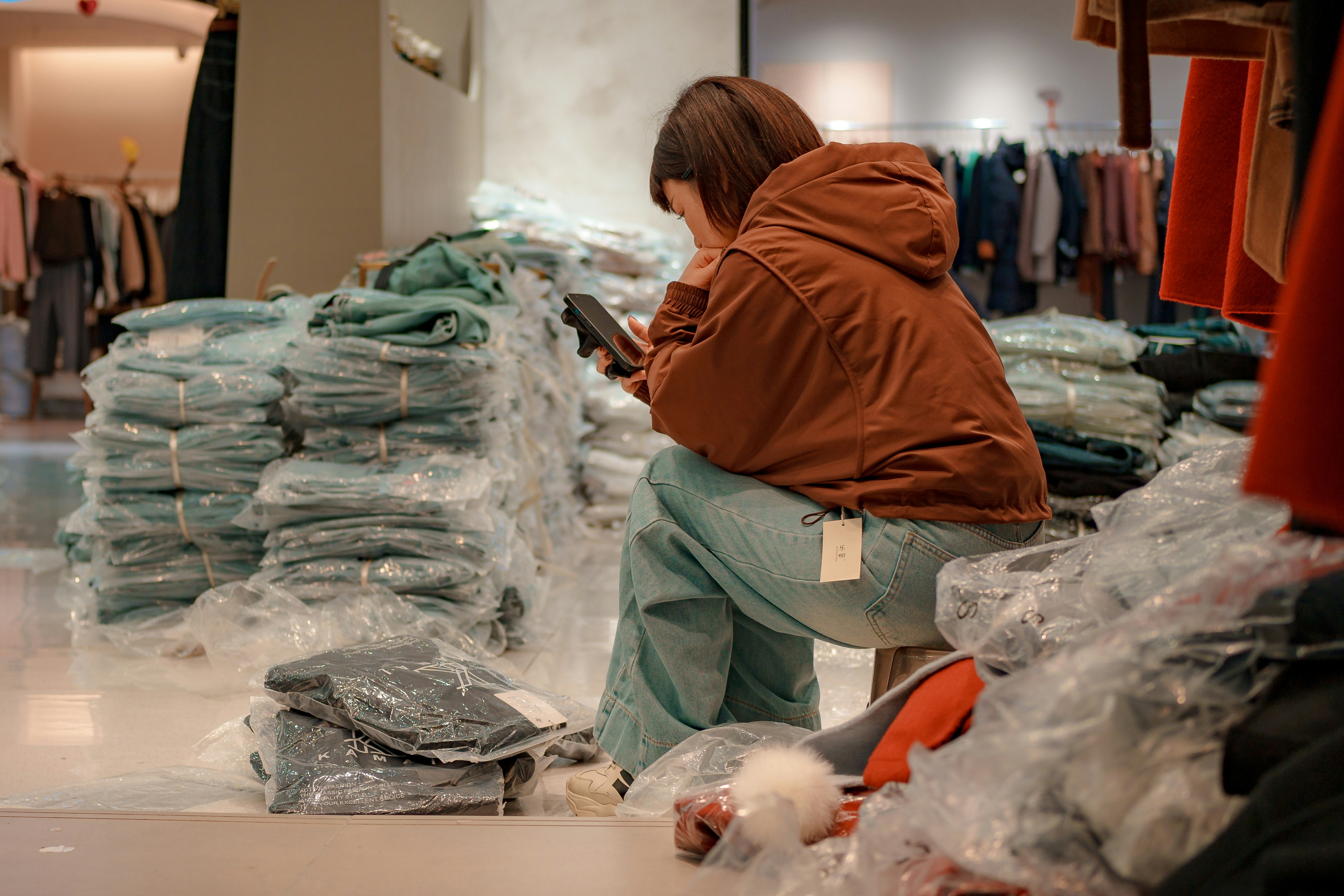
Navigating the logistics of global apparel distribution requires a balance between cost efficiency, garment protection, and regulatory compliance. Whether you are an e-commerce retailer expanding into new territories or a private individual sending clothing abroad, the process involves more than simply placing items in a box.
By analysing the standard operating procedures of leading logistics providers, it is possible to establish a clear framework for international shipping clothing.
Selecting the Right Outer Packaging
The foundation of a safe shipment is the container. While poly mailers are popular for local deliveries due to their light weight, international transit demands greater durability to withstand multiple handling points.
Poly Mailers vs. Corrugated Boxes
For non-fragile, soft items like t-shirts, leggings, or single pairs of jeans, poly mailers are often sufficient. They are waterproof and tear-resistant, providing a barrier against the moisture fluctuations common in air freight. However, for bulkier shipments or structured garments like blazers and coats, double-walled corrugated boxes are widely used.
The choice of packaging significantly impacts your shipping rates. Global carriers use dimensional weight (DIM weight) to calculate costs, meaning a large, half-empty box may cost more than a smaller, densely packed one.
To find the best way to package clothes for shipping, select a box that leaves no more than 5 cm of space between the contents and the walls. This prevents items from shifting during transit, which can cause friction burns on delicate fabrics.
Master Folding and Internal Protection
The internal arrangement of a parcel determines whether a garment arrives ready to wear or requires professional pressing. Strategic folding methods maximise space and minimise damage during long-haul transit.
The Retail Fold vs. The Roll
Logistics experts suggest the retail fold for most standard apparel, folding the sides inward and then into thirds vertically. This maintains a flat profile, ideal for stacking. For casual wear, some shippers prefer the military roll to save space, though this can increase the risk of deep wrinkles in linen or cotton fabrics that are sensitive to pressure.
Handling Delicates
For high-value or intricate items, such as evening wear or suits, standard folding is often insufficient. For international moves, specialised wardrobe boxes allow clothes to remain on hangers. If a wardrobe box is impractical for a standard courier shipment, the use of acid-free tissue paper is essential. Layering tissue between folds prevents the dye transfer and protects embellishments like sequins or buttons from snagging on other parts of the garment.
The Plastic Barrier
A key takeaway from global logistics standards is the need for a primary inner layer. Before the garment enters the shipping box, it should be placed in a clear polybag or a sealed garment bag. This ensures that even if the outer cardboard is affected by rain or high humidity during transit, the clothing remains dry and protected inside.

Calculating Weight and Volumetric Dimensions
Weight and dimensions are the most critical data points in international shipping. Errors in these metrics lead to surcharges, delays, or returned parcels. To ensure accuracy, follow this sequential process:
Determine Gross Weight: Use a calibrated digital scale to weigh the entire prepared parcel. This must include the clothing, internal tissue paper, polybags, silica gel packets, the cardboard box, and the heavy-duty shipping tape. Standard bathroom scales often lack the precision required for smaller parcels.
Measure External Dimensions: Measure the length, width, and height of the box at its widest points. If the box is bulging, measure from the peak of the bulge to ensure the carrier does not apply a surcharge during a laser audit.
Calculate Volumetric Weight: International carriers use a formula to determine dimensional weight. You must calculate this by multiplying the dimensions and dividing by the carrier’s specific divisor (typically 5000 for metric measurements).
Volumetric Weight (kg) = Length Width Height (cm)5000
Compare and Confirm: Compare the gross weight against the volumetric weight. Shippers will always bill you based on whichever figure is higher.
Therefore, the best way to package clothes for shipping is to vacuum-seal soft items when possible. This drastically reduces the volume without changing the physical weight, potentially saving significant sums by dropping the parcel into a lower volumetric weight bracket.
Once you have this final figure, you can accurately complete your documentation and avoid unexpected fees.
Navigating International Regulations and Customs
When shipping clothing internationally, the physical package is only half of the equation; the other half is the digital data and legal paperwork.
Harmonised System (HS) Codes
Every item of clothing has a specific HS code that tells customs officials what is inside. A 100% cotton knitted t-shirt has a different code from a synthetic woven jacket. Accuracy is important because import duties and taxes are calculated based on these codes. Misclassification can lead to the shipment being held in customs or the recipient being overcharged.
Prohibited and Restricted Items
Certain materials face strict global restrictions. Real animal fur, for instance, is prohibited in many jurisdictions or requires specific permits. Similarly, used clothing is restricted in several countries to protect local textile industries or for health and safety reasons.
Always verify the de minimis value of the destination country, which is the threshold below which no duties are charged. If your shipment exceeds this value, ensure you have decided whether the sender or the recipient will be responsible for the final costs.

Industrial Sealing Standards for Global Transit
The final step is the physical seal. Standard office tape or masking tape is inadequate for the rigours of an international journey. Carriers recommend the H-taping method.
This involves applying 2-inch wide pressure-sensitive plastic tape across all seams of the box, top and bottom, forming the shape of a capital H. This reinforces the structural integrity of the box and acts as a deterrent against tampering.
Ensuring Label Visibility and Scanning
Your shipping label is the parcel's reference when in global transit. It should be placed on the largest flat surface of the box. Never place a label over a seam or a piece of tape, as the movement during transit could cause the tape to lift and damage the barcode.
For an added layer of security, place a duplicate copy of the shipping label and the commercial invoice inside the box before sealing it. If the exterior label is damaged, the carrier can still identify the destination by opening the package.

Final Technical Checklist
Before your parcel leaves for the depot, perform a final check. Verify how to weigh clothes for shipping to ensure no last-minute additions have pushed you into a higher weight bracket. Ensure the description on your invoice is specific; instead of clothes, write Men’s 100% Cotton Woven Trousers.
International shipping of clothing does not need to be uncertain. By following structured packaging standards, regulatory requirements, and careful internal protection methods, you improve the chances of your garments arriving in good condition.
The use of quality materials, corrugated boxes, acid-free tissue, and industrial tape supports a more secure shipment. In international logistics, careful preparation helps reduce the risk of issues during transit.

