
Key Takeaways
When returning to your vehicle after a storage period exceeding 60 days, do not immediately crank the engine. Proactively inspect the undercarriage for any static fluid leaks, verify that your tyre pressures have not dropped below safe operating standards, and drive directly to the nearest petrol station to fill up with fresh, high-octane fuel.
While climate-controlled indoor storage units carry a higher upfront cost, they function as a vital financial defense that prevents thousands of dirhams in depreciated paintwork, cracked leather, and failed electronic control units.
Lastly, ensure you keep your vehicle registration (mulkiya) and comprehensive insurance continuously active; maintaining valid documentation is a mandatory requirement for premium facilities, protects your asset against non-driving risks like fire or theft, and prevents steep registration renewal penalties.
Leaving your vehicle sitting idle for an extended period isn’t as simple as parking it and walking away. Whether you are an expat travelling back home for the summer, a collector preserving a classic vehicle, or a frequent traveller heading abroad, improper vehicle storage can quickly lead to costly mechanical issues.
From flat batteries and warped tyres to degraded engine oil and fuel system contamination, a car left unprepared will begin to deteriorate over time.
To ensure your vehicle starts effortlessly and runs perfectly when you return, follow this comprehensive guide gathering tips from experts on how to store a car to keep it running for long, and adapted for regional climate conditions.
1. Select the Optimal Storage Environment
The type of storage environment you choose directly impacts how well your vehicle handles long periods of inactivity, especially in harsh climates with extreme heat, dust, and humidity.
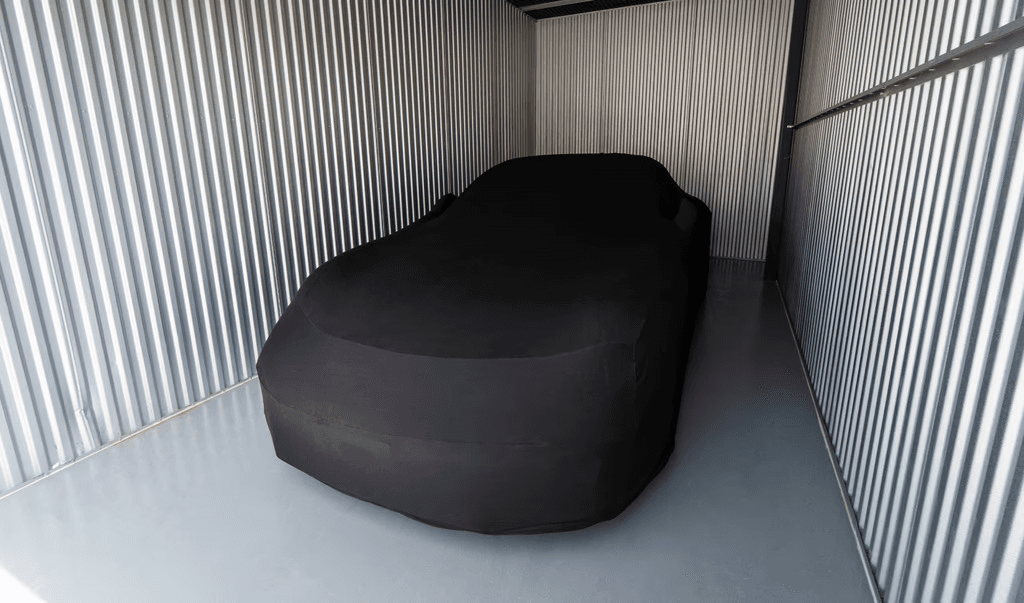
Indoor and Climate-Controlled Units: This type of self-storage option is the ideal option for luxury vehicles, classic assets, and long-term storage. A fully enclosed, air-conditioned space helps protect the vehicle from extreme temperature changes, ambient dust, and moisture, protecting sensitive electronic control units (ECUs) and preventing rubber seals from cracking.
Covered Outdoor Storage: A practical balanced option that protects the vehicle's paintwork from direct UV exposure and fading, though it remains vulnerable to ambient dust and seasonal humidity.
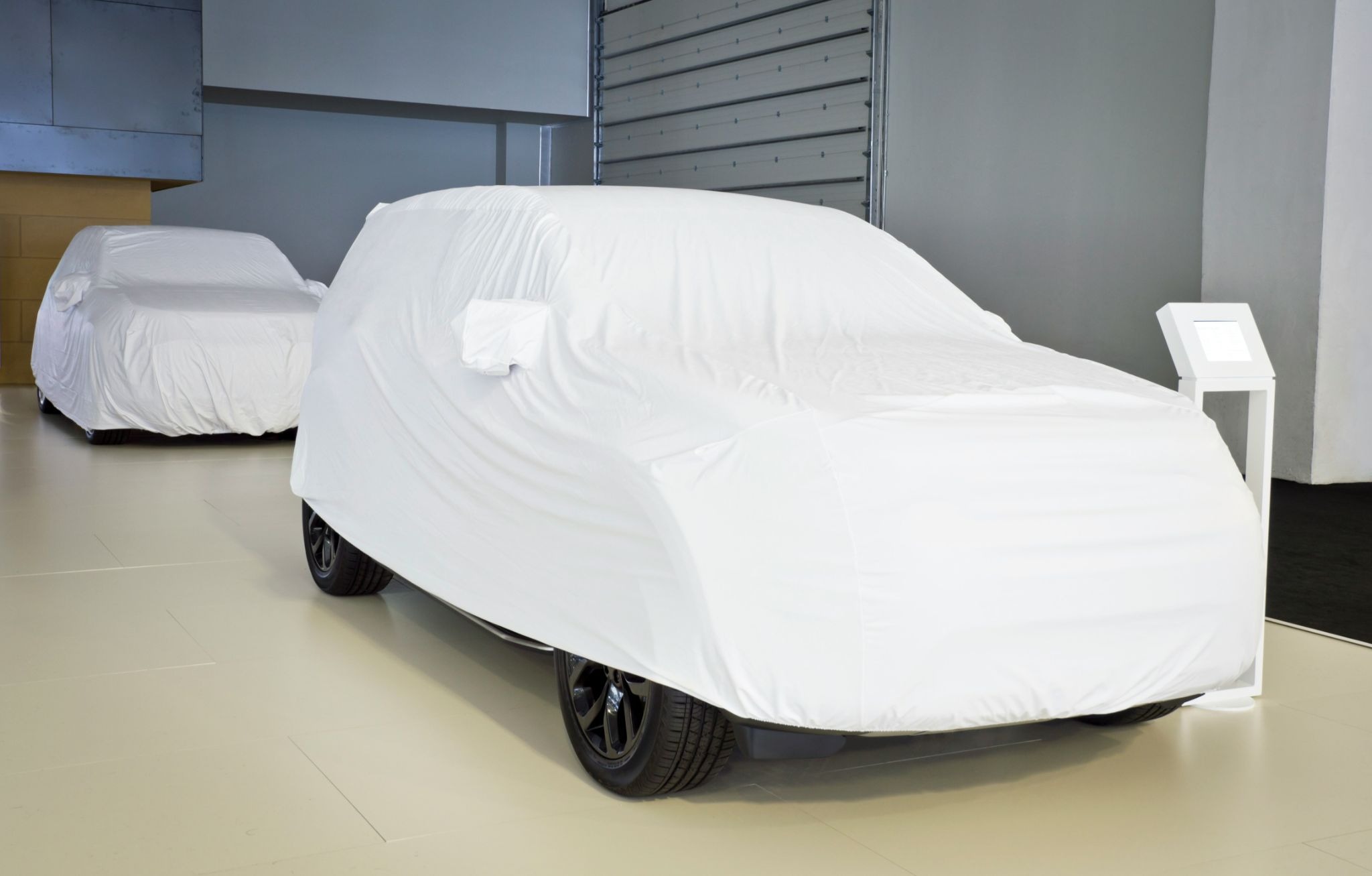
Open Outdoor Storage: The most budget-friendly option, best reserved for short-term stays. If using open storage, a heavy-duty, multi-layered, weather-resistant car cover is strongly recommended.
2. Perform a Deep Clean (Interior and Exterior)
Leaving surface contaminants on or inside your car during prolonged downtime can cause permanent cosmetic and structural damage.
Exterior Detailing: Thoroughly wash the bodywork to remove road grime, bird droppings, and industrial fallout, which can permanently corrode the clear coat. Apply a high-quality protective wax, paint sealant, or ceramic coating to create a protective barrier against dust. Ensure the undercarriage and wheel wells are blasted clean to remove corrosive road salts.
Interior Sanitisation: Vacuum all carpets, deep-clean the seating upholstery, and wipe down hard surfaces. It is crucial to remove all food wrappers, crumbs, and organic items. Even minor food residue can attract pests and rodents, resulting in chewed wiring looms, ruined cabin filters, and severe odours.
Moisture Management: High ambient humidity can cause mould and mildew inside a sealed cabin. Place moisture-absorbing products, such as desiccant bags or silica gel packs, inside the cabin and boot to eliminate trapped moisture.
3. Top Up Fluids and Apply the Right Fuel Strategy
Fluid management is essential to help protect the internal engine components from corrosion and fuel degradation.
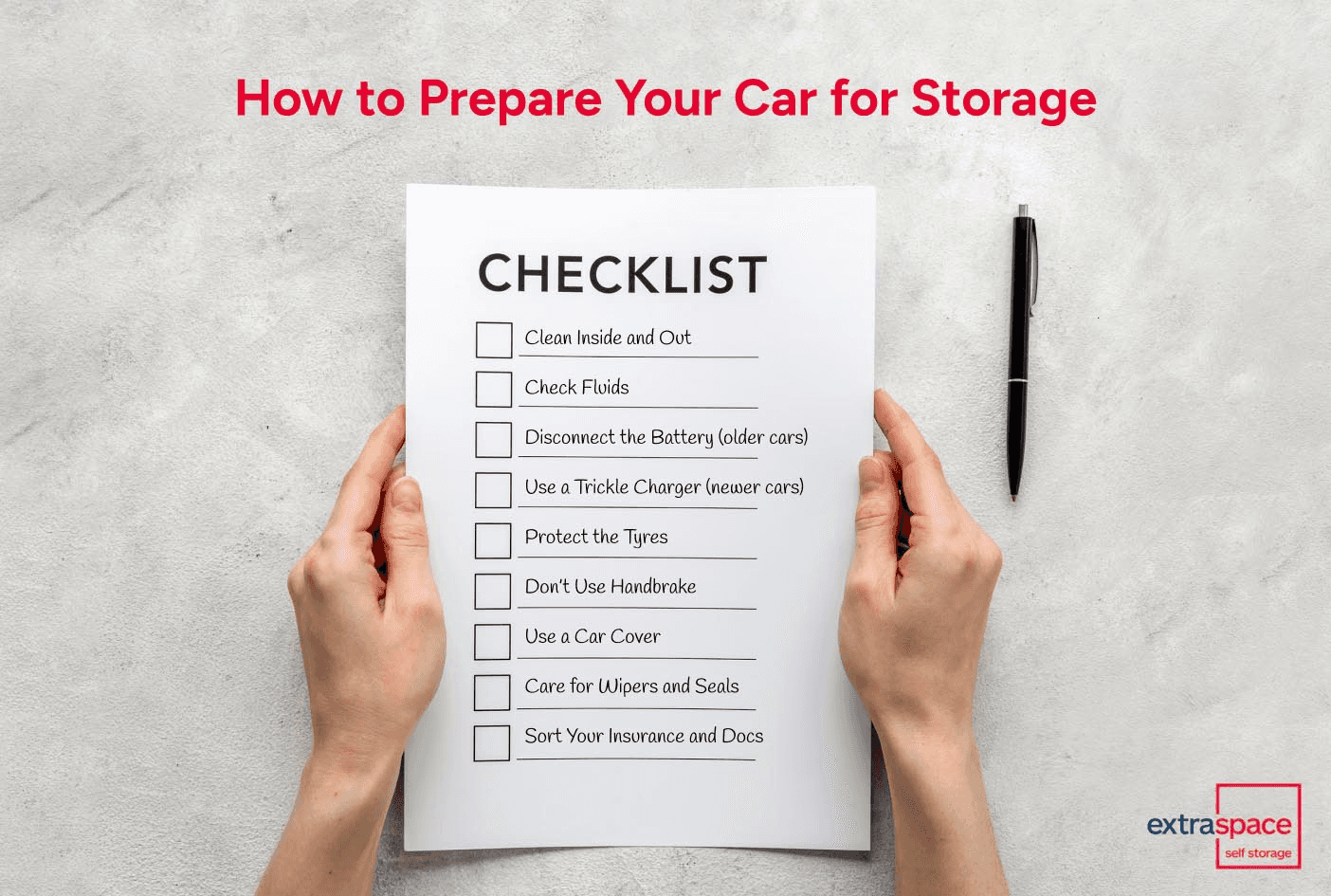
Change the Engine Oil and Filter: If storing your vehicle for more than 30 days, complete an oil change beforehand. Used engine oil accumulates hydrocarbons, contaminants, and corrosive acids that score and degrade internal components when left static. Fresh oil ensures proper purity and optimal oil pressure upon re-activation.
The Modern vs. Classic Fuel Tank Strategy:
Modern Vehicles (Plastic/Composite Tanks): Most contemporary cars use plastic fuel tanks that are immune to internal rusting. Storing the tank completely full may leave stale fuel, oxidised petrol upon your return. Store these with a low fuel level (roughly a quarter-tank) mixed with a stabiliser, then top it up with fresh fuel immediately when bringing the car back into service.
Classic Vehicles (Metal Tanks): Older vehicles with metal tanks are highly susceptible to internal condensation and rust. Fill these tanks to 95% capacity to eliminate the air gap entirely.
Add a Fuel Stabiliser: Modern fuel begins to oxidise and turn gummy within 30 to 60 days, which can clog injectors and fuel pumps. Add a premium fuel stabiliser to the tank and run the engine for 5 to 10 minutes to completely circulate the treated mixture through the entire fuel delivery system.
4. Advanced Cylinder and Engine Protection
For vehicles entering deep storage (exceeding 45 to 60 days), professional mechanics recommend safeguarding the internal combustion chamber from internal corrosion or seizure.
Consider removing the spark plugs and spraying a dedicated fogging oil directly into each cylinder head before replacing the plugs. This specialised lubricant coats the cylinder walls, preventing the piston rings from corroding or sticking to internal engine surfaces over time.
Important Note: The Car Idling Myth
Avoid having someone start and idle your car for 10 minutes once a week while it is in storage. Simple idling fails to bring engine oil, transmission fluids, and exhaust systems up to full operating temperatures. Instead, it introduces harmful condensation into the engine block and exhaust pipes, accelerating internal corrosion. If the car cannot be taken for a proper 20-minute drive on open roads, it is far safer to leave it undisturbed.
5. Maintain and Manage the Electrical System
A vehicle's electrical components draw ambient power continuously, meaning a healthy car battery can drain completely within a few weeks of non-use.
Smart Trickle Chargers: If your indoor storage unit has access to a secure power supply, connect a smart trickle charger or battery maintainer. Unlike standard chargers, these monitors automatically regulate the charge, keeping the battery topped up safely without overcharging.
Terminal Disconnection: If a reliable power source is unavailable, safely disconnect the negative terminal of the battery. Note that this may reset onboard electronic codes, clock settings, and radio presets, but it effectively eliminates parasitic battery drain.
6. Support Tyre Health and Prevent Flat-Spots
When a heavy vehicle sits motionless on the same patch of rubber for months, the tyres deflate slightly and develop flat spots, causing structural tyre damage and severe drivetrain vibrations once driven again.
Inflate to Maximum PSI: Pump your tyres up to the high end of their recommended pressure parameters (indicated on the tyre sidewall) before storing to mitigate flat-spotting.
Use Tyre Savers or Jack Stands: For long-term stints, park the vehicle on specialised curved tyre cradles/savers to distribute weight evenly. Alternatively, elevate the vehicle safely on mechanical jack stands to remove the physical load entirely from the rubber compounds.
7. Disengage the Parking Brake Completely
While pulling the handbrake up feels natural when parking, doing so for long-term storage is a critical operational error. Over extended periods, the brake pads or shoes can chemically fuse directly to the brake rotors or drums due to ambient humidity and continuous mechanical pressure.
Leave the parking brake entirely off. Secure automatic transmissions firmly in 'Park', or place manual transmissions in 'First Gear' (or Reverse). Secure the vehicle in place by positioning heavy-duty mechanical wheel chocks snugly in front of and behind the tyres.
8. Protect Wiper Blades and Outer Seals
Intense regional ambient heat can cause rubber components to warp, melt, or adhere to surfaces.
Wiper Blades: Lift the front and rear wiper blades entirely away from the glass, or wrap them individually in soft cloth or thin protective plastic to prevent the rubber from baking directly onto the windscreen.
Weather Stripping: Apply a thin layer of silicone lubricant or specialised rubber protectant to the door, boot, and window seals to keep them supple and prevent structural cracking or sticking.
9. Legal Documentation and Insurance Maintenance
Before moving your vehicle into a self-storage facility, ensure all documentation is fully prepared. Professional storage operators require formal contracts, documentation, including copies of your active vehicle registration (mulkiya), valid ID or Passport, and valid insurance coverage.
Do not cancel your insurance plan during storage; maintaining continuous comprehensive coverage shields your asset against non-driving risks such as fire, structural theft, or unforeseen damages, while preventing costly insurance rate penalties for coverage lapses.

